Can I get SDA?
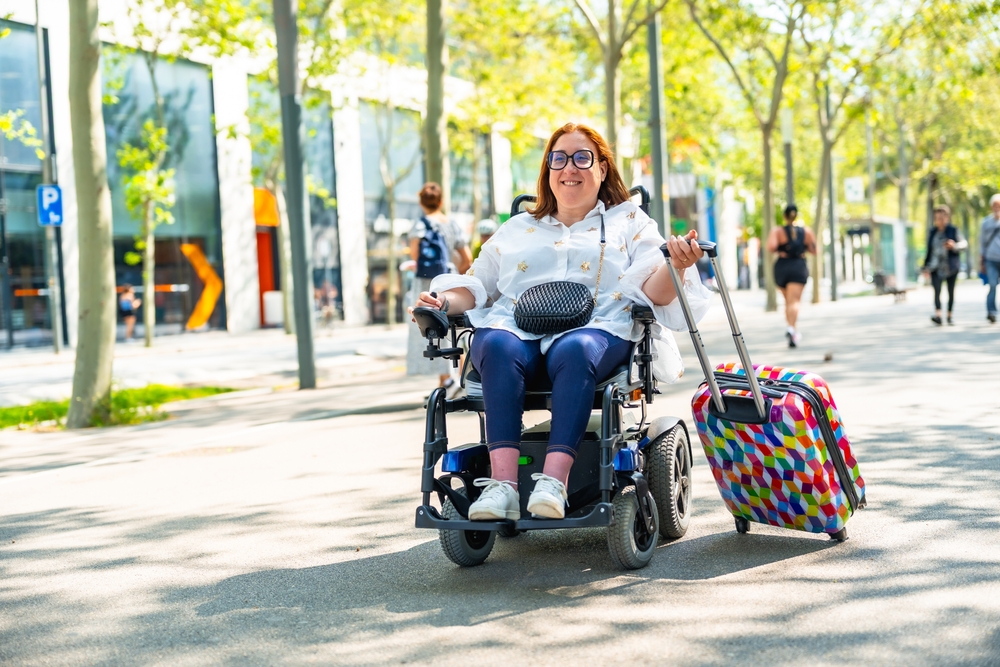
Tired of steps in public housing? Maybe you want to be able to use your sink from your chair or shower yourself safely. Specialist Disability Accommodation (SDA) may be a solution for some participants on the NDIS who have extreme functional impairment or very high support needs.
SDA is designed to be accessible, based on your disability related needs. You might need soundproofing to your bedroom or a bathroom with no steps. Designs that include accessibility features can help you be more independent in your home or help your supports to be delivered more safely or better. SDA is the “bricks and mortar” support, it doesn’t include the people that come into your home and deliver support, just the home. Depending on the SDA funding you receive, you may be able to live alone or with a maximum of 2 other participants. There are also options for participants with SDA wanting to live with their family in Appendix H.
SDA also means your rent is capped at 25% of the disability pension, plus 25% of the pension supplement and 100% of commonwealth rent assistance. These amounts change bi-annually with increases in the pension. You still have to pay for your day to day living costs like electricity and other bills in a SDA home.

You’ll also need to have home and living goals when applying for SDA funding, this can help you with sufficient funding for supports like a support coordinator to guide you or funding for an allied health report. This funding can also help you look at whether other home and living options might be suitable, like individualised living options. Knowing whether you’re eligible for SDA can be confusing and it’s hard to find reliable help if you don’t have enough support coordinator hours and don’t know where to start.
We’ve created a questionnaire that covers the sort of things the NDIS looks at when approving home & living outcomes like SDA.
1. How much support do you receive at home?
To qualify for SDA, you’ll need a minimum of 6 hours of support in the home per day.
2. Do you have an extreme functional impairment?
An extreme functional impairment means needing lots of support from someone else throughout the day, it can mean you’re unable to do most daily tasks for yourself without help. This is on top of any assistive technology which helps you go about your day. You can look at parts of your life like mobility, personal care and self-management for ways to express your extreme functional impairment and that you need SDA.

3. Do you have very high support needs?
High support needs mean you need someone in-person with you for a significant portion of the day. The support needs to be with you, or easily accessible when you need it, such as a concierge support. The NDIS will look at whether your needs have changed and your informal supports.
Sometimes, informal supports aren’t able to help you like they used to or maintain their support for extended periods. In this scenario, it may be safer for you to move into an SDA home. For example, you may need help to leave your home in an emergency and your informal supports aren’t able to help you. The NDIS will also look at any behaviours of concern that are a safety risk to you or to others in the community. Because of this, you might need a robust property, built in a way it protects you and your supports.
4. Do you have a SDA needs requirement?
the NDIS looks at different information when deciding whether you have an extreme functional impairment or very high support needs. They are looking for information like your current situation, strengths, barriers and daily support needs. You’ll also need to show why other forms of support aren’t available or sufficient for your needs. You can show this through:
- Allied Health Reports
- Behaviour Support Plans
- Reports about your daily support and housing needs
- Restrictive Practice Plans
You’ll need to show that SDA will lead to better outcomes than other housing supports available in the community or on the NDIS. SDA could help you improve, maintain or prevent your functional capacity from getting worse. SDA could also help reduce future support needs. finally, you’ll need to show why SDA will create better connections with your family, community, health services, education and employment.

5. Does SDA meet the NDIS funding criteria for you?
SDA must clearly be the right housing solution for you, not just an option. You need to show that the accommodation directly supports your goals, works alongside other supports and enables greater independence than standard housing or home modifications. SDA should demonstrably improve daily living, reduce reliance on other supports over time and provide a safe, suitable environment. Ultimately, SDA must be effective, appropriate and cost-efficient compared to alternative supports. It’s best practice to always state why other supports aren’t available or appropriate to you.
In Summary
Specialist Disability Accommodation (SDA) is purpose-built housing for NDIS participants with extreme functional impairment or very high support needs. It’s designed to remove barriers at home and support safer, more independent living when standard housing isn’t suitable.
In simple terms, SDA:
-
Provides accessible, fit-for-purpose housing based on your disability needs
-
Supports independence and safer delivery of daily supports
-
Covers the home itself (the “bricks and mortar”), not the support workers
-
Allows you to live alone, with up to two other participants, or in some cases with family
-
Has capped rent linked to your disability pension, with normal household bills paid separately
To be eligible for SDA, the NDIS looks at whether:
-
You receive at least 6 hours of in-home support per day
-
You have extreme functional impairment or very high support needs
-
Informal supports are no longer sufficient or safe
-
SDA would meet your needs better than other housing options
You’ll need evidence to show:
-
Why other housing or supports aren’t suitable
-
How SDA would improve safety, daily living, and long-term outcomes
-
That SDA supports your home and living goals and works with your other supports
-
That SDA is the most effective and cost-efficient option for you
Because SDA eligibility can be complex, having clear goals, the right reports, and guidance can make a big difference. Tools like questionnaires and planning support can help you understand whether SDA is the right fit and how to build a strong application. Want to research further? Check out the SDA legislation here.